data integration

What is API Integration and how does It work?
API integration is the process of connecting different software applications through their APIs so they can exchange data and work together.
→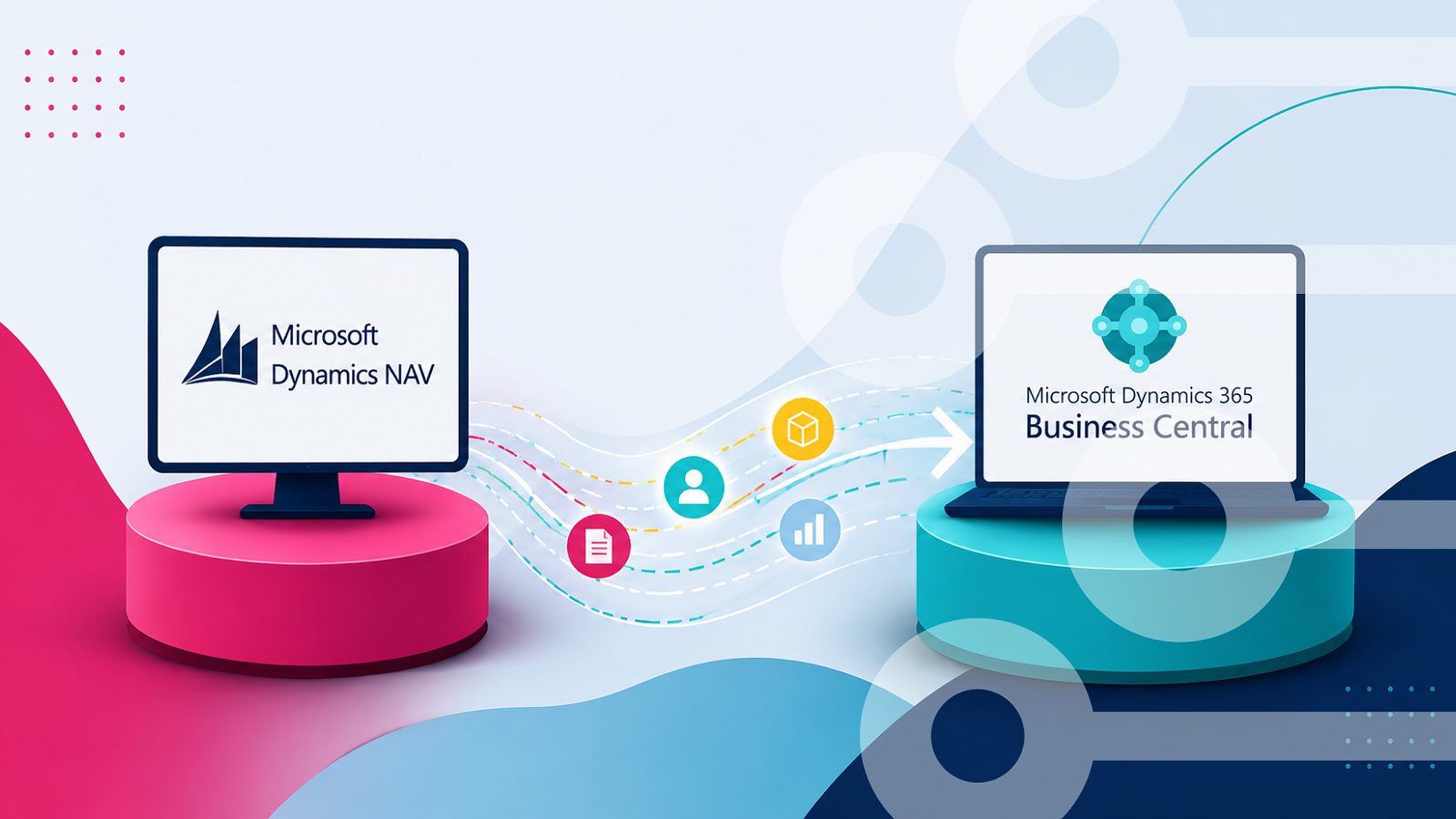
Migrating from Dynamics NAV to Business Central: What will happen with the integration
Moving from Dynamics NAV to Business Central does not automatically mean rebuilding your integration, and what happens depends on how it was built. Depending on the setup, the integration may need to be rebuilt, reconfigured, or adapted. This blog shares a six-step migration guide to help you move to Business Central without putting your business at risk.
→
Best Salesforce Integration Tools: Top 8 Solutions Compared
The top Salesforce integration tools are Rapidi, Commercient, Boomi, Jitterbit, MuleSoft, DataOrbis, TIBCO Scribe, plus Copado, Gearset, Hutte, and Heroku's Toolkit for DevOps/admin needs. Rapidi is the strongest fit for Salesforce–Microsoft Dynamics ERP integration; MuleSoft and Jitterbit suit larger, more technical enterprises.
→
What are the best alternatives to MuleSoft? Comparing Rapidi, Boomi & Celigo
Companies evaluate MuleSoft alternatives for three main reasons: cost ($140K-$250K annual total ownership cost), complexity (3-6-month implementations requiring specialized engineers), and use case fit (MuleSoft excels at 10+ complex API projects but can be overkill for focused CRM-ERP integration needs).
→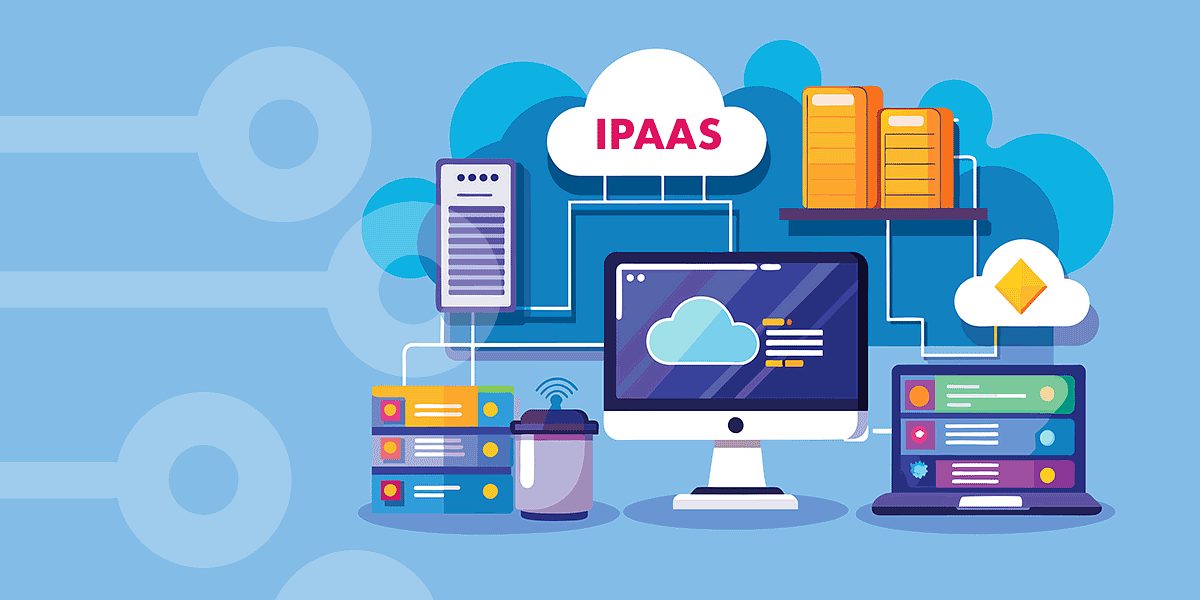
What’s the Best iPaaS for Small Businesses in 2026?
As small businesses continue adopting more cloud applications, choosing the right iPaaS solution has become essential for keeping systems connected and data synchronized. The best iPaaS platforms in 2026 are those that combine affordability, ease of use, scalability, and fast deployment without requiring complex custom development.
→
Data Integration Platform vs Custom API Integration: Which Is Better for Your Business?
While custom APIs can offer flexibility, they often require significant development time, ongoing maintenance, and higher long-term costs. A modern data integration platform, on the other hand, provides pre-built connectors, faster deployment, easier scalability, and centralized management across multiple systems.
→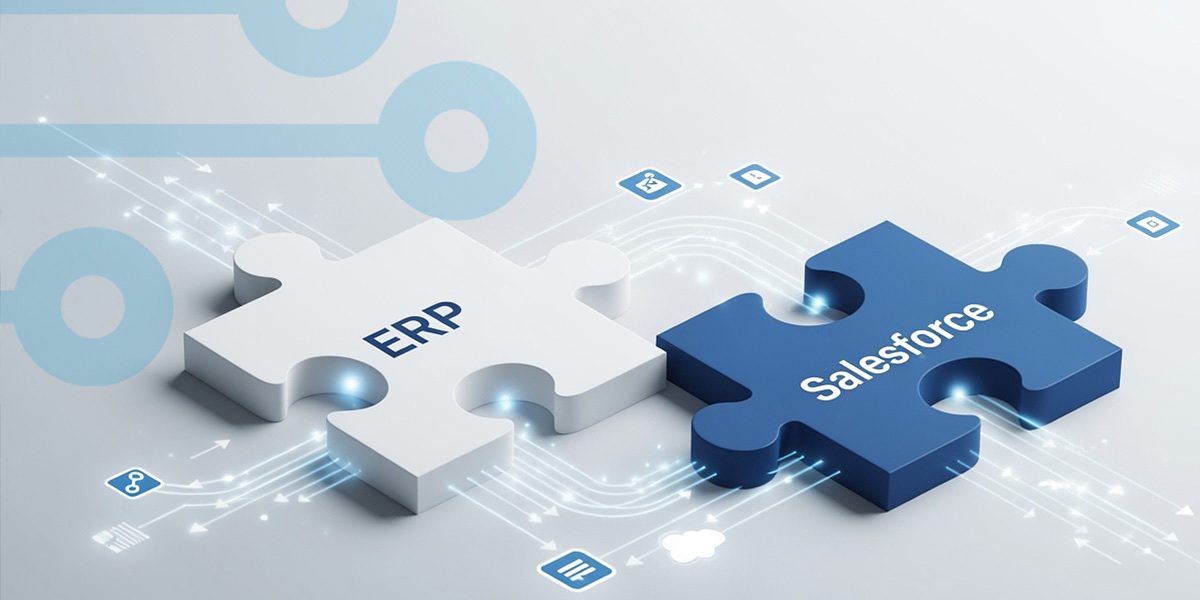
What is an ERP Integration with Salesforce in 2026 and beyond?
An ERP Integration with Salesforce means connecting Salesforce with ERP systems so customer, sales, finance, inventory, and order data stay automatically synced in real time. This removes manual data entry, reduces errors, and ensures all teams work with the same up-to-date information.
→
Top data integration challenges and solutions
Collecting, integrating, and analyzing data gives your business a complete picture of how it performs. It shows you patterns, trends, and where things break down. But the right data does not always reach the systems that need it.
→
A beginner’s guide to data integration
People often refer to data as the new oil. And it’s not an exaggerated metaphor. Data fuels everything – from delivering top-notch customer service to shaping strategic decisions.
→
What are the Data Integration Trends and Markets for 2026?
2026 marks a pivotal shift in data integration. The technology is no longer just the foundation of business innovation. It's becoming the operating system for AI agents. As enterprises move from generative AI experimentation to scaled autonomous deployments, data integration platforms must evolve from connecting systems to orchestrating intelligent workflows.
→
MuleSoft vs Boomi vs Rapidi: Choose The Best Data Integration Tool
MuleSoft and Boomi are powerful integration platforms with different approaches: MuleSoft is ideal for complex, API-led environments, while Boomi is more accessible for businesses that want rapid, low-code integration. Which one is better depends on the size of the company, the complexity of the systems, and the budget.
→
What is the best NetSuite Salesforce integration?
Salesforce is largely recognized as the best cloud based CRM solution in the world. Similarly, NetSuite is one of the best cloud based ERP solutions with customers all over the world. Many companies wish to take advantage of both these prominent SaaS providers.
→
Step-by-Step Guide: Salesforce to Dynamics 365 Integration
Some data integration projects can be complex and even become a complete mess if not managed properly and efficiently. Often, the success of a data integration project (for example a Salesforce ERP integration) starts with the quality of your data. It is recommended to do a thorough data clean up before getting started. This way, your integration project will not solve your data quality issues, it will only make them more visible. When data quality is in place, you can easily avoid troubles by following a structured approach. A good way to is start by defining the touch points and data integration routes you want to support.
→
Enhance automated marketing campaigns with data integration
As we find ourselves in 2025, the marketing landscape has evolved dramatically, driven by rapid technological advancements and a deeper understanding of consumer behavior. The ability to predict and adapt to these changes is crucial for businesses aiming to stay ahead. In this era, data integration has become a pivotal element, providing exceptional insights into customer preferences and behaviors.
→
Top 9 Data Integration Problems and Solutions in 2025
We’ve tackled various data integration topics throughout 2024, from finding the best iPaaS solutions to data integration strategies. As we kick off 2025, it’s crucial to step back and evaluate some of the common issues companies face when it comes to data integration.Data integration will continue to be both a necessity and a competitive differentiator.
→
Benefit & Advantages Of Data Integration
This article explores the significant advantages of integrating ERP and CRM data systems by highlighting six key benefits, such as improved efficiency, seamless data sharing, and enhanced decision-making capabilities. By integrating these systems, businesses can eliminate manual data handling, reduce errors, and empower their teams with real-time access to crucial information, ultimately driving growth and competitive advantage.
→
Solve data replication challenges in multi-site businesses
Maintaining data integrity, accuracy and transparency is a key requirement for multi-site and international businesses striving to deliver impactful insights and increasing operational efficiency.
→
What Are the Best Data Integration Techniques for Actionable Insights?
The best data integration techniques for actionable insights include uniform data access, common data storage, application-based integration, manual integration, and middleware integration. These approaches connect and unify data from different systems, helping organizations eliminate data silos and analyze information more effectively for better decision-making.
→
How can I successfully plan a data integration project?
A successful data integration project starts with your business processes, not the technology. Define the scope clearly, map and test the data carefully, and set up a reliable sync process with monitoring and error handling. In short, success depends on careful planning, thorough testing, and ongoing maintenance.
→
How to find the best Salesforce Integration partner: Guide
To find the best Salesforce integration partner, businesses should understand their integration needs and look for experienced providers with strong Salesforce expertise, proven system integration capabilities (especially with ERP and third-party tools), and the ability to deliver secure, scalable solutions tailored to their business goals.
→
HOW TO SIMPLIFY INTERNATIONAL AND MULTISITE MICROSOFT DYNAMICS NAV INTEGRATION WITH RAPIDI
Most companies running Microsoft Dynamics NAV/AX/GP in multiple countries or on multiple sites follow a Common Object Runtime Environment (CORE) strategy (also commonly called Kernel in some countries). In a CORE strategy, an add-on solution is built with company-specific requirements in mind, to then be localised and deployed in the local country.
→
How to integrate Microsoft Azure Logic Apps with Microsoft Dynamics 365?
Microsoft Azure Logic Apps integrates with Microsoft Dynamics 365 by using pre-built connectors and APIs to automate workflows, synchronize data, and connect Dynamics 365 with other applications and services. This enables businesses to reduce manual work, improve data accuracy, and ensure real-time data flow across systems.
→
The significance of data replication in the retail industry
Successful businesses all have one thing in common: they function and make informed decisions based on accurate, real-time data.
→
How to handle data integration errors
Ensuring transparency in data transfers is a critical challenge in data integration, notably between CRM and ERP systems.
→
Cloud Data Integration vs On-Premise Integration: Key Differences, Benefits and Use Cases
Big data is no longer just a buzzword. The new volumes of data collected daily have pushed companies to value data more than ever before. Data quality and data accuracy have become essential components of any organisation's data management and digital data transformation strategy.Unifying and combining data between data warehouses and other systems is a must-do. This has led organisations to look at data integration tools. Companies must integrate their systems to optimise business processes and remove error-prone manual data entries. There are many benefits to data integration.The question is what data solution integration to choose. Are cloud-based data integration better than on-premise solutions? When is a cloud platform the right solution? This article will help you make an informed decision.
→
Data stewards: a must for data-driven companies
You have invested much in your systems. Your CRM takes care of your customer-related operations. Your ERP helps your staff handle administrative and operational tasks and control the billing cycle. You may even have a SCM system to streamline your production and supply chain processes. An ecommerce platform may help you sell online.
→
Can you avoid complex system integration?
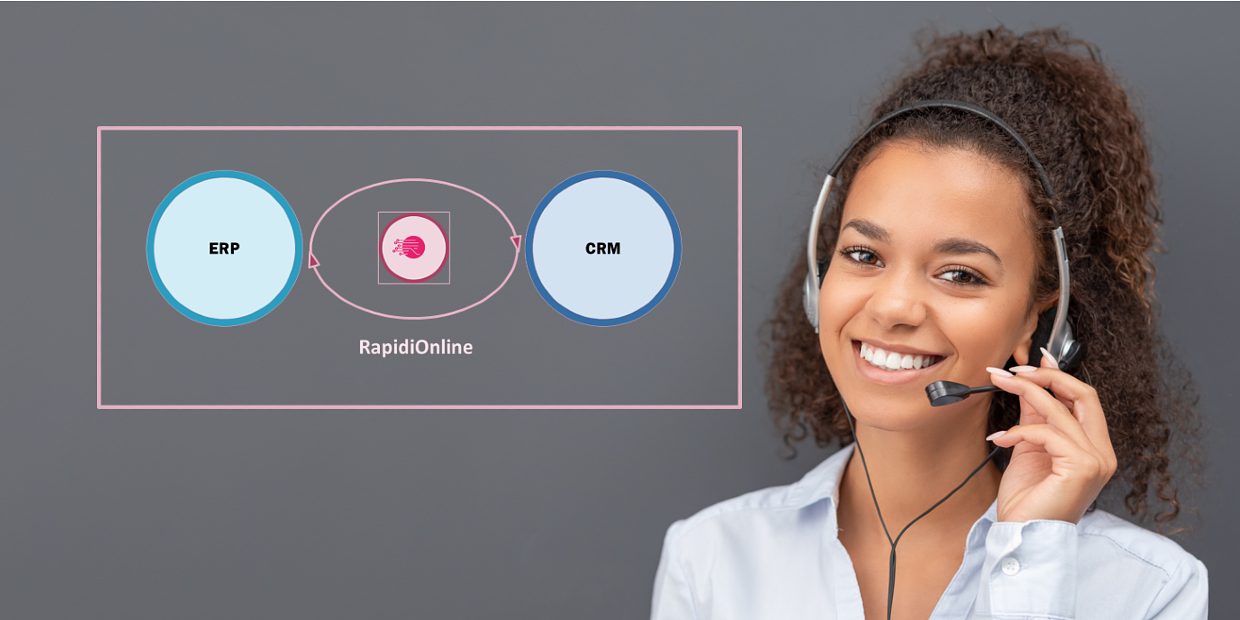
Too often, data integration has been associated with complex, slow and frustrating projects, with delays and scary learning and deployment curves.
→
How to choose a data integration consultant
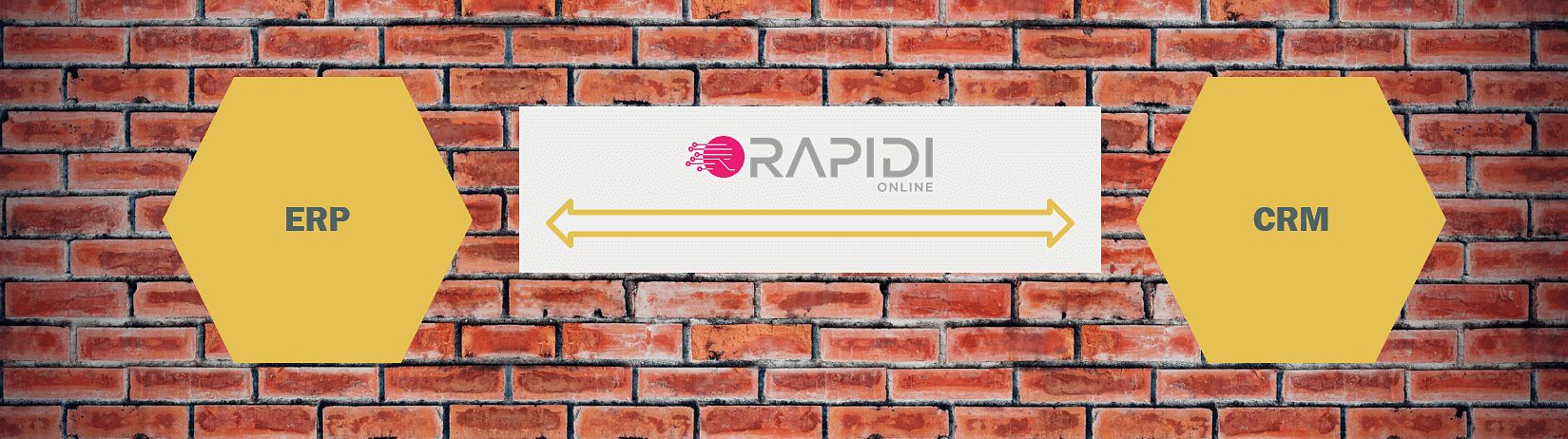
Today, companies use an increasing number of data sources. They must control data quality and have a unified view of their data and a good master data management strategy. In the era of big data, integrating systems is often the right solution to keep data in sync, current and valid.
→
How to make your data integration solution robust
Companies worldwide use specialized systems like ERP, CRM or other data centers to support the necessary process of digitization, globalization or general decentralization of their business processes. If these systems are used as stand alone without any integration, this can create silos of data, which would seriously jeopardize the investment in these systems.
→
When you think you are forced to upgrade your ERP and then this happens...
Everybody running an ERP system is at least once a year asked if they want to upgrade their system. On the one hand you may be tempted to do so as you would like to take advantage of the new features, but the benefits have to exceed the total price of upgrading. And the price for an ERP upgrade, together with the risk of negative impact on the business during the upgrade process onboarding the new version, often prevents organizations from doing this yearly update. Luckily.
→
What is data integration? 12 definitions to get a better understanding
In the past few years, the volumes of data used by organizations has grown exponentially. Let’s face it: it has become vital for organizations to understand their data sets and organize them. In parallel with this phenomenon, a new series of data integration disciplines have developed with a whole new jargon: data migration, data warehousing, data synchronization, big data and business intelligence (just to name a few) have become such a hype. What is data integration really? I have put together a glossary of the most common data integration terms for a while... Here it is.
→
Do you need real time data integration?
Most of the IT executives that are looking for a data integration system want to have real time integration. While it is often what they want, it is rarely what they need.
→
Bad data issues? Solve them with data integration
Bad data can completely undermine your sales efforts. Research from Experian Data Quality has shown that the average company loses 12% of its revenue as a result of inaccurate data. 95% of organizations see negative impacts from poor data quality, resulting in wasted resources and additional costs, ineffective business initiatives, poor customer experience, delayed data migration projects, and much more.
→